
You’re invited to be part of the conversation about the date that’s known by many names — Day of Mourning, Survival Day and Australia Day.
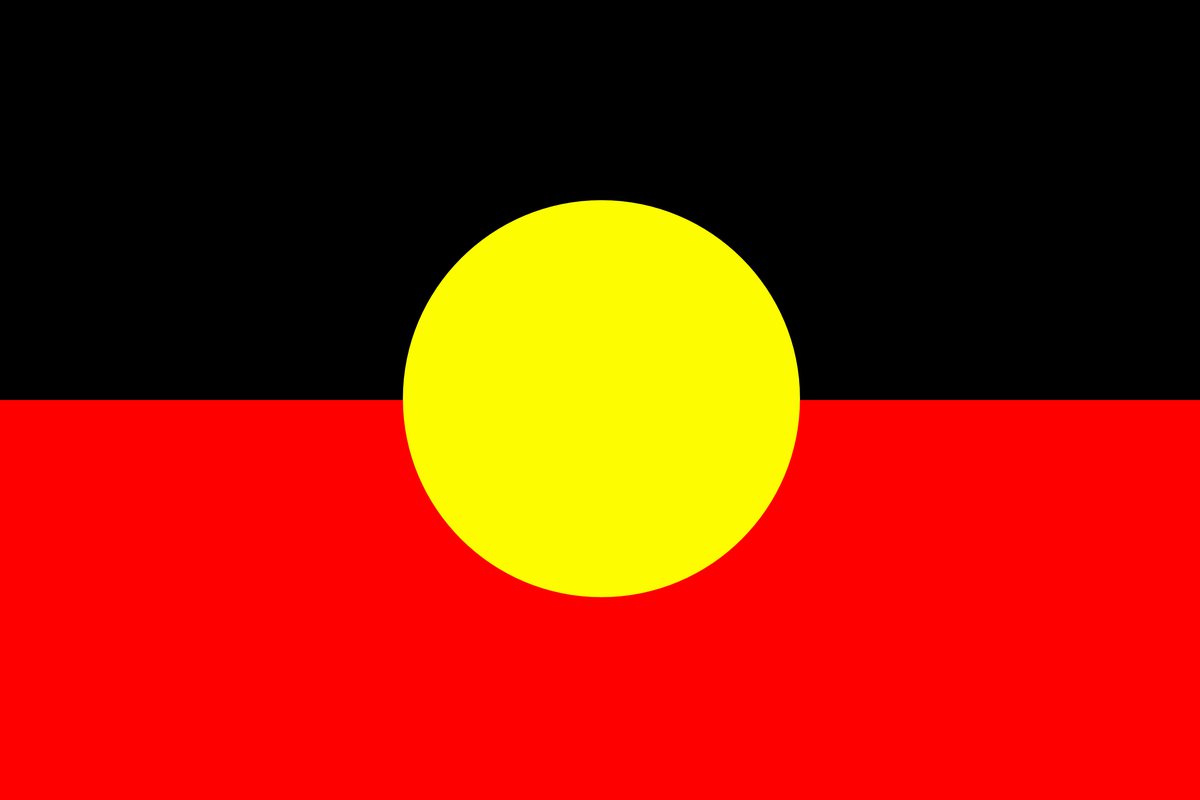

January 26 holds many truths at once. For some, it’s a celebration; for many Aboriginal and Torres Strait Islander peoples, it’s a day of mourning, resistance, and survival. Survival Day asks us to sit with all these stories—especially the ones that have been pushed aside too often.
At Red Dust, we stand within a long history of survival, resistance, and truth telling. We acknowledge what was taken on January 26 and honour the enduring strength of Aboriginal and Torres Strait Islander peoples who continue to assert sovereignty, culture, and voice. We invite you to reflect on how these histories shape our communities today—and why remembering them, beyond a single date, matters.
In walking backwards into the future, a phrase coined by Red Dust’s Uncle Rev. Ray Minniecon, to reflect on the wisdom and learnings from the past, let’s look back.
On 26 January 1938—150 years after the First Fleet—Aboriginal men and women gathered in Sydney to protest mistreatment and discrimination. Organised by the Australian Aborigines League and the Aborigines Progressive Association, leaders including William Cooper (Yorta Yorta), Jack Patten (Yorta Yorta), and William Ferguson (Wiradjuri) helped transform grief into organised civil rights action. They passed a resolution calling for legal reform, equality, education, care, and full citizenship.
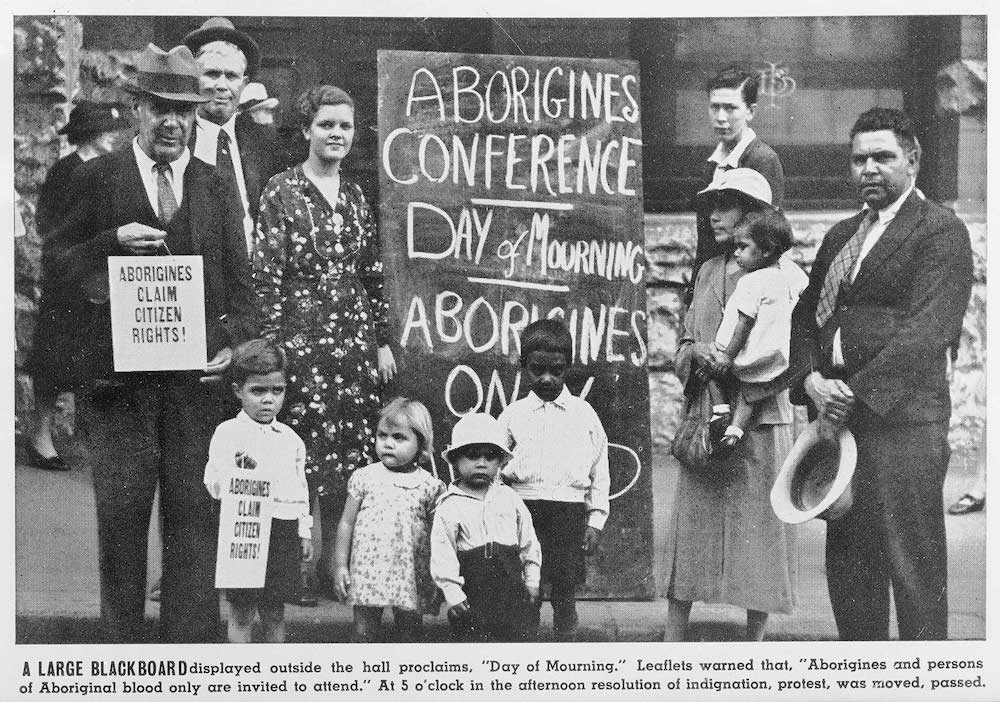
It didn’t bring immediate change, but it sparked a national movement. For close to 90 years, generations of First Nations people—and many allies—have marched, spoken out, and kept the message clear: the date, the history, and the future are inseparable.
.png)
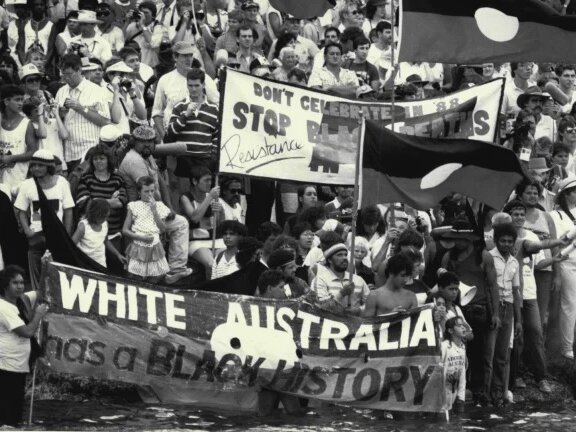
Across the country today, thousands of Indigenous and non Indigenous people march in solidarity, calling for change and committing to ongoing learning, listening, and action. The invitation is open: if you’re unsure where to start, start here—with curiosity, respect, and a willingness to hear hard truths.
Red Dust Ambassador Molly Hunt is a Balanggarra/Yolŋu woman with connections to Bunuba, Jaru, and Gija Country. A creative artist, Molly explores survival, memory, and the resilience of First Nations peoples—especially the leadership of First Nations women in her own family. Through her practice, she creates space for reflection, truth telling, and dialogue.
In her Vogue Australia article “January 26 is over, but the fight isn’t—here are 7 things you can do to further your allyship,” Molly suggests practical steps:
Read more here.
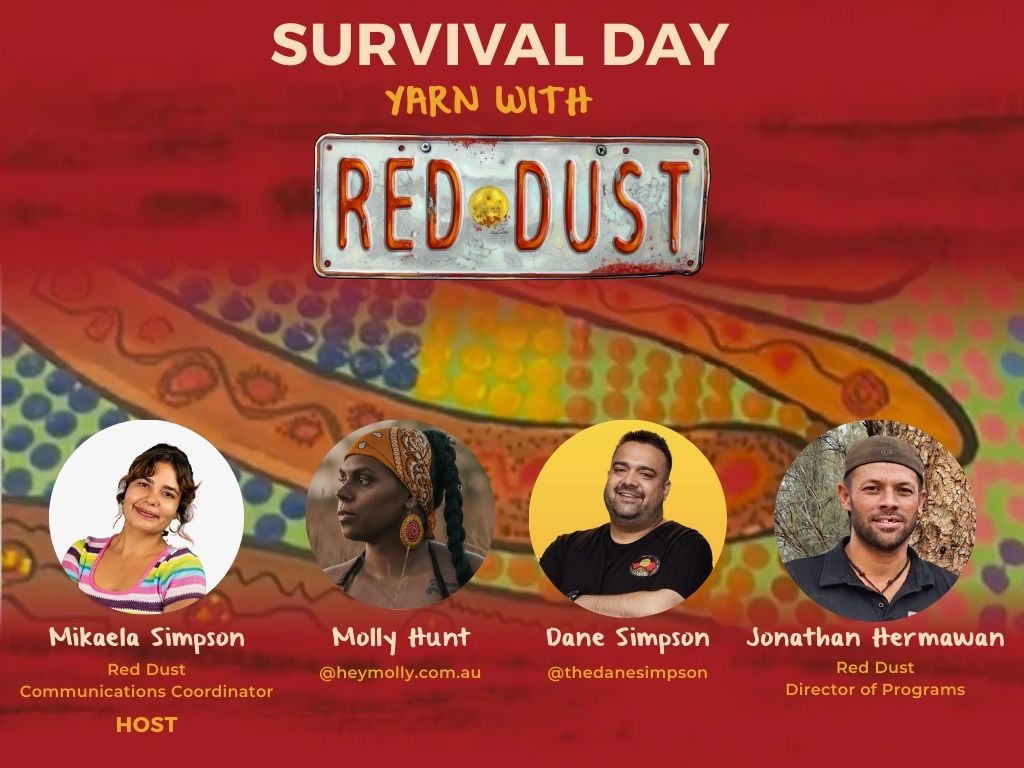
Molly recently joined our Red Dust Survival Day Yarn with fellow Red Dust Ambassador Dane Simpson and Red Dust’s Director of Programs, Jonathan Lindsay Tjapaltjarri Hermawan. Hosted by Communications Coordinator Mikaela Simpson, they shared lived experiences and deep connections to community. Together, they explored how art, comedy, and storytelling—when led by First Nations peoples—are powerful acts of resilience that educate, challenge perspectives, and inspire change.
Wherever you’re coming from, you’re welcome in this conversation. Bring your questions, your openness, and your commitment to listening.
Watch here: Survival Day Yarn
Stand with us, be loud with us and be in solidarity with us. If you’re on this journey, it needs to be a part of your everyday life.
Molly Hunt, Red Dust Amabassador
Survival Day is a reminder of the strength, resilience, and culture that has endured for more than 65,000 years — and of the responsibility we all share to support the next generation.
By donating to Red Dust Role Models, you’re backing programs that walk alongside young Aboriginal people, celebrating culture, building confidence, and creating real opportunities through health, education, and wellbeing. Your support helps ensure young people can grow strong in who they are and where they come from.
This Survival Day, move beyond acknowledgement and take action.
Donate today and be part of turning survival into strength.
Australia has a Blak History. Red Dust stands in solidarity with the First Nations Peoples of Australia this Survival Day and everyday and acknowledge that sovereignty was never ceeded.


Privacy Policy | Terms & Conditions | Statement of Commitment | © Red Dust Role Models | ABN 12 118 641 777 | Supported by 