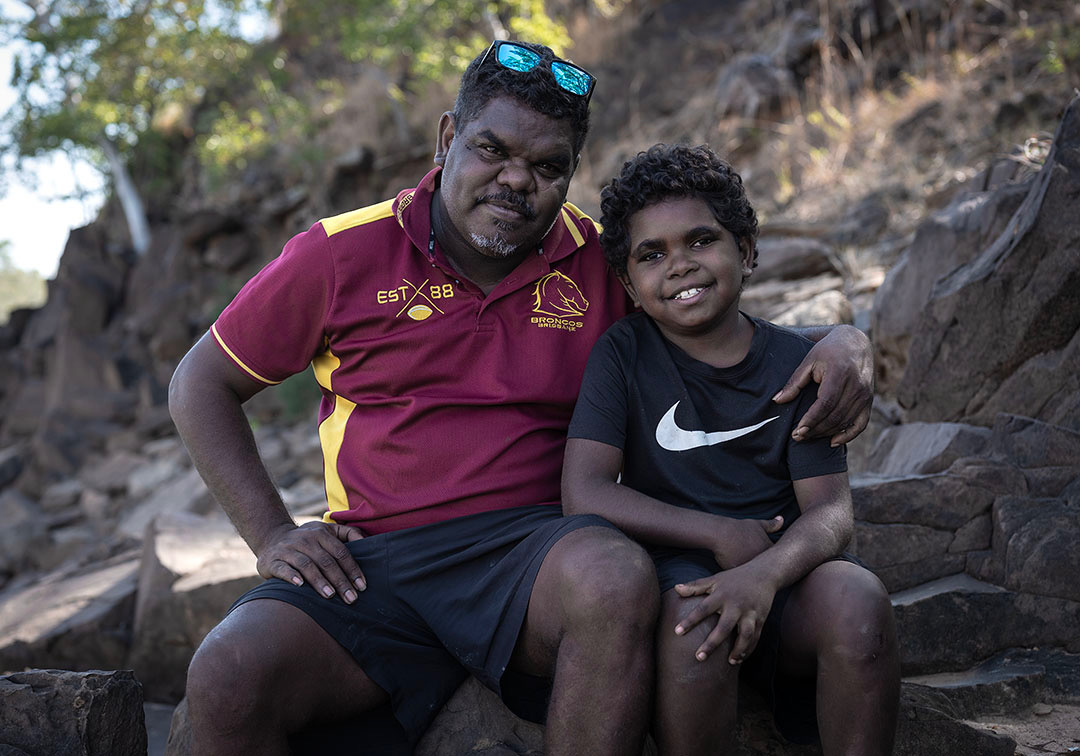
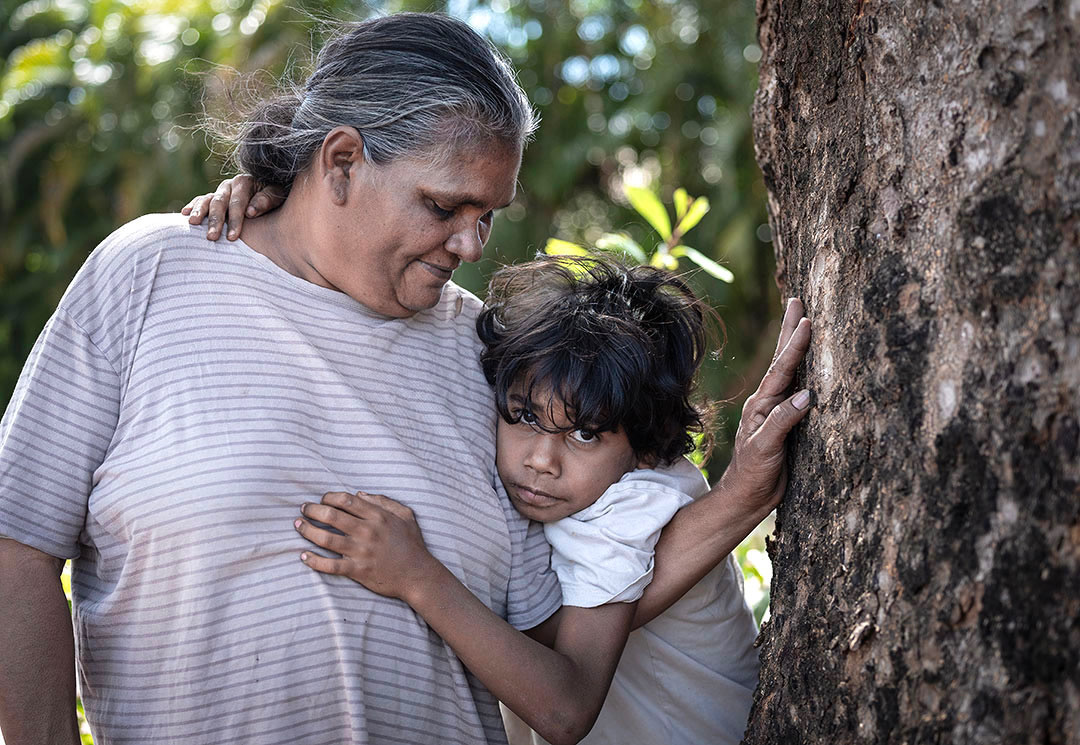
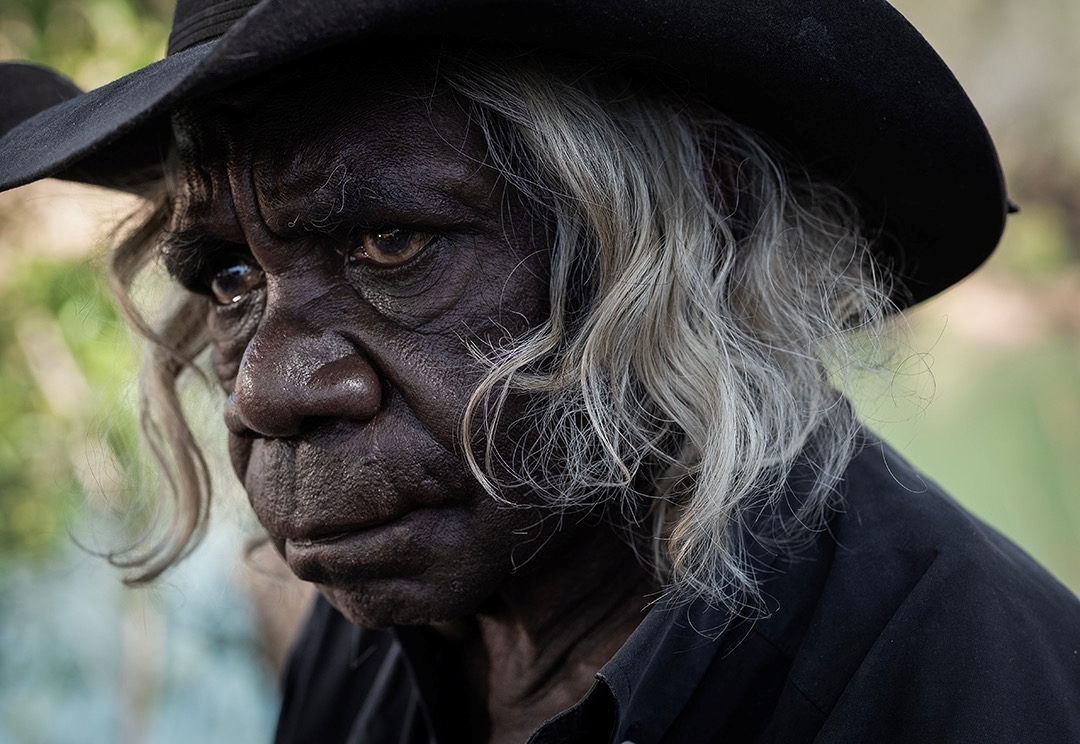
How does Kintore celebrate its connections, long-term partnerships and life-saving services? With a community concert, of course!
As a result, we still have real-time access to some of the oldest events, insights, and art created and performed throughout history. This especially resonates in Australia. Storytelling has kept culture alive while also preserving it, and First Nations People have done so for over sixty thousand years. It is still practised today.
Storytelling throughout the centuries
Before there was writing, there was storytelling. There were dances, art, music and ceremonial practices. Across the original 600 Nations and language groups in Australia (many now endangered), this was common. Gathering and sharing knowledge was integral to communities. It was a form of connection to Country and one reason we, as a people, have a deep-rooted connection to our land and seas, our people, and our culture. We used the stars to navigate the seasons, the way we lived and what we farmed and harvested. We looked to our ancestors in the night skies to guide us, a practice deeply rooted not only in spirit but also in science, evolving over millennia.
Aboriginal art is our knowledge, our language and cultural beliefs, our Dreaming, identity and our story. We tell it on our bodies during ceremony, on the walls of our sacred sites, in the sand, and on canvas. This practice is not just vital to preservation but is one of the strongest forms of resistance to conformity today.
The urgency of preservation
A quick Google search of our statistics around health and life expectancy showcases an undeniable truth that First Nations lives are being lost at an alarming rate compared to our non-Indigenous counterparts. As a result, when our old people and our elders pass, they take with them their lived experiences and their truths - therefore, the urgency in which we allow them to tell their stories cannot be understated. They are the people their grandparents taught their culture to, beginning a journey and casting an unspoken expectation that they would pass on knowledge, wisdom, and culture to the next generation, enabling a system that kept the world's oldest living culture alive.
The modernisation of storytelling and its benefits
No matter one’s personal beliefs about the rapid advancement of technology, it still has benefits. We can now capture and record centuries of cultural knowledge on film, record the voices of our storytellers, and keep them safe.
Digital recording and archiving help preserve oral stories, languages and traditions that may otherwise be lost.
It provides an opportunity for revitalisation, giving younger generations access to their ancestry and roots through multimedia. This is incredibly vital for the groups whose culture was nearly wiped from existence due to colonisation.
Sharing through online platforms such as social media, YouTube, and established websites also lets our voices and stories reach people worldwide and, through authenticity, helps break stereotypes some people still hold. Access to education defeats ignorance, meaning this can only result in more awareness and respect for culture.
Young people can engage with these stories through modern formats, including animation, virtual reality, music videos, apps, and games. As we look to the future, the level to which you can transform traditional knowledge has no limit.
We can now use the modernisation of storytelling to revive endangered languages, create intergenerational dialogue, and build school- and university-based curricula that educate and celebrate our culture, which in the 1970s we were still punished for publicly practising.
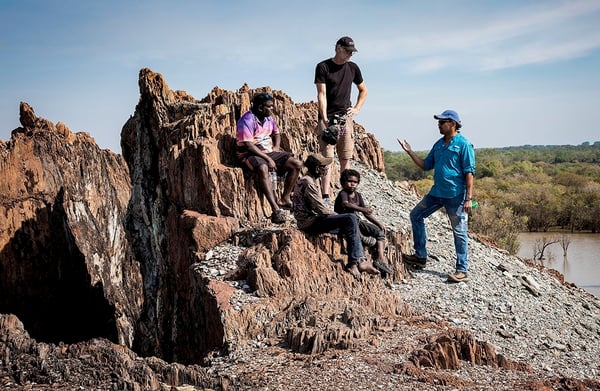
Storytelling Program On Country
How Red Dust celebrates Storytelling today
Our Storytelling Program explores themes including local and traditional history and lived experiences, language, country, culture, and dreaming. The program itself uses both traditional and modern techniques in this field and applies the appropriate format to the storyteller, whether it be an elder or school-aged children.
Some of the projects that the program has carried out include:
-
Capturing country and sites for our Virtual reality project, which will allow people to “visit” home when they’re not able to physically be there. This helps replenish the spirit and is especially relevant for people who may be away from home for health reasons.
-
Recording individuals’ stories, which has resulted conversations around one’s history, lived experiences, and cultural strength and connection.
-
We’re also currently creating an animated children's book based on cartoon drawings by school students from Areyonga. This will see their pictures come to life.
Local employment opportunities
The storytelling project has worked in communities across the Northern Territory, including Yuendumu and its neighbouring outstations (Mission Creek, Jila Well), Areyonga (Utju), Kintore, Daly River, Tiwi Islands, Woolianna. An intended benefit of this program is being able to pay people across those regions for the work they provide. The storytelling program throughout 2024-2025 has locally employed over 40 people across the past 2-3 years.
Building and sustaining trust with community
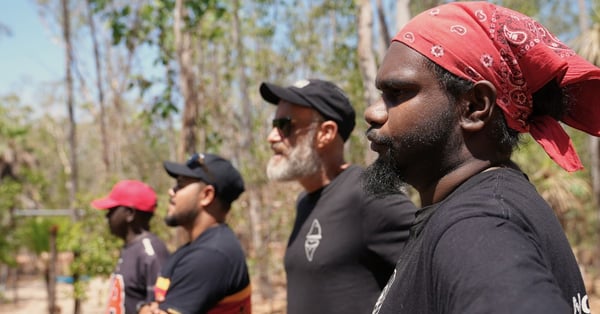
This program is deeply rooted in its connections with the people it works with. The relationships that have been built between our STP manager and those he features have developed through consistency and honouring communities' wishes regarding the program’s delivery and output. As a result, the community on Country has welcomed this program into the lives of some First Nations people who value privacy and honesty. Listening to and living by communities’ cultural protocols and boundaries is at the core of the Storytelling Program. Not only does it work to preserve the stories that face being lost, but it actively promotes, recognises, and acknowledges the strength and resilience of Indigenous People across the Northern Territory
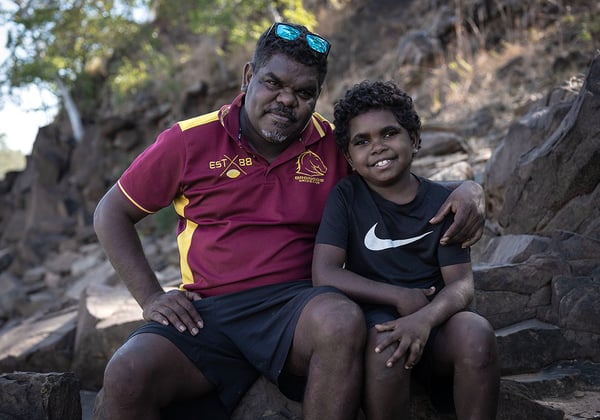
Respecting Cultural Boundaries and Rights.
Not every story is for public consumption. Protecting the voices of our people should always remain at the forefront of this type of practice. Allowing Aboriginal people to control how their stories are told, who tells them and who has access to them is a form of preservation. Aboriginal storytelling is deeply connected to Country, Lore, kinship, and identity, and not all stories are meant to be shared widely or without permission.
Many of our communities follow strict protocols around how, and by whom, insights into the depth of who we are can be shared.
We have seen and experienced the vast spectrum of how our stories are used, from being discriminately documented against to being marketed for money by organisations, businesses, and not-for-profits. There is no access without trust. It is integral that the stories we are privileged to share ensure that those telling them always remain in control of how they are distributed, if at all.
"Our old people and their stories are a key for us and our culture"
Lorna Jackson
Help keep culture alive - Protect the stories that protect us.
Our storytelling program is more than words — it’s a living connection to Country, Culture, and Community. With your support, we can ensure these stories continue to be told, heard, and honoured for generations.
We need vital funds to preserve this powerful program and the knowledge it carries.

%20celebrates%2020%20years%20working%20with%20Red%20Dust%203.jpg)
%20celebrates%2020%20years%20working%20with%20Red%20Dust%205.jpg)
%20celebrates%2020%20years%20working%20with%20Red%20Dust%206.jpg)
Acknowledgments
Red Dust would like to acknowledge a successful collaboration with
- Pintupi Health Service
- Purple House
- Wulungurru Community
- Walungurru School
- Why Not by NISH
- David Callow (event photographer)
An Edwards Lifesciences Foundation Every Heartbeat Matters Grant supported this program.