
The desert is abundant with traditional food, medicine and resources, you just need to know where to look.
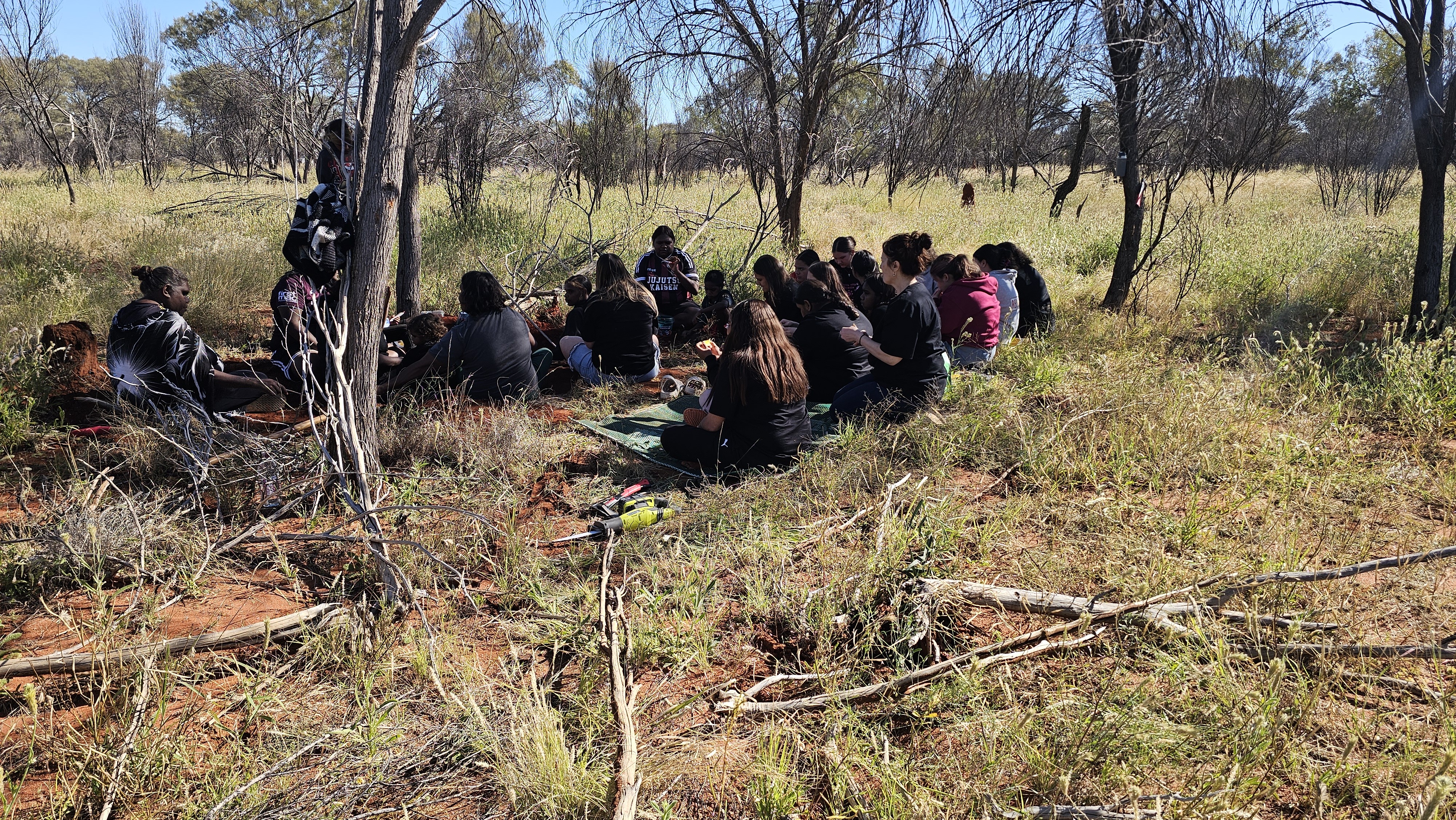
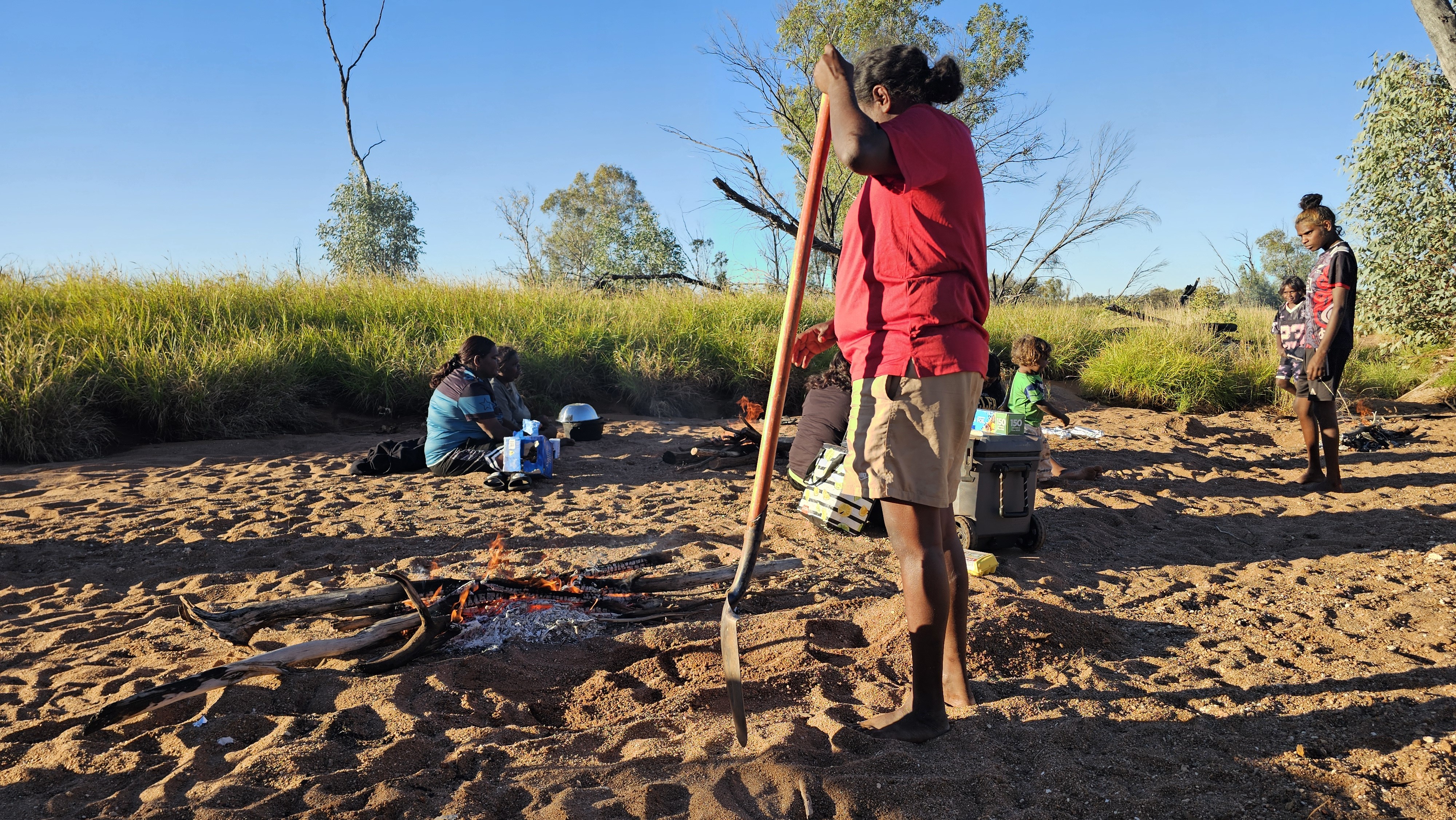
This was the concept behind one of our recent Strong Young Women's Programs. We wanted to show young girls from the desert region that their female ancestors had hunted, gathered, lived off and been nourished from the Country they now call home, and that it was still available for them.
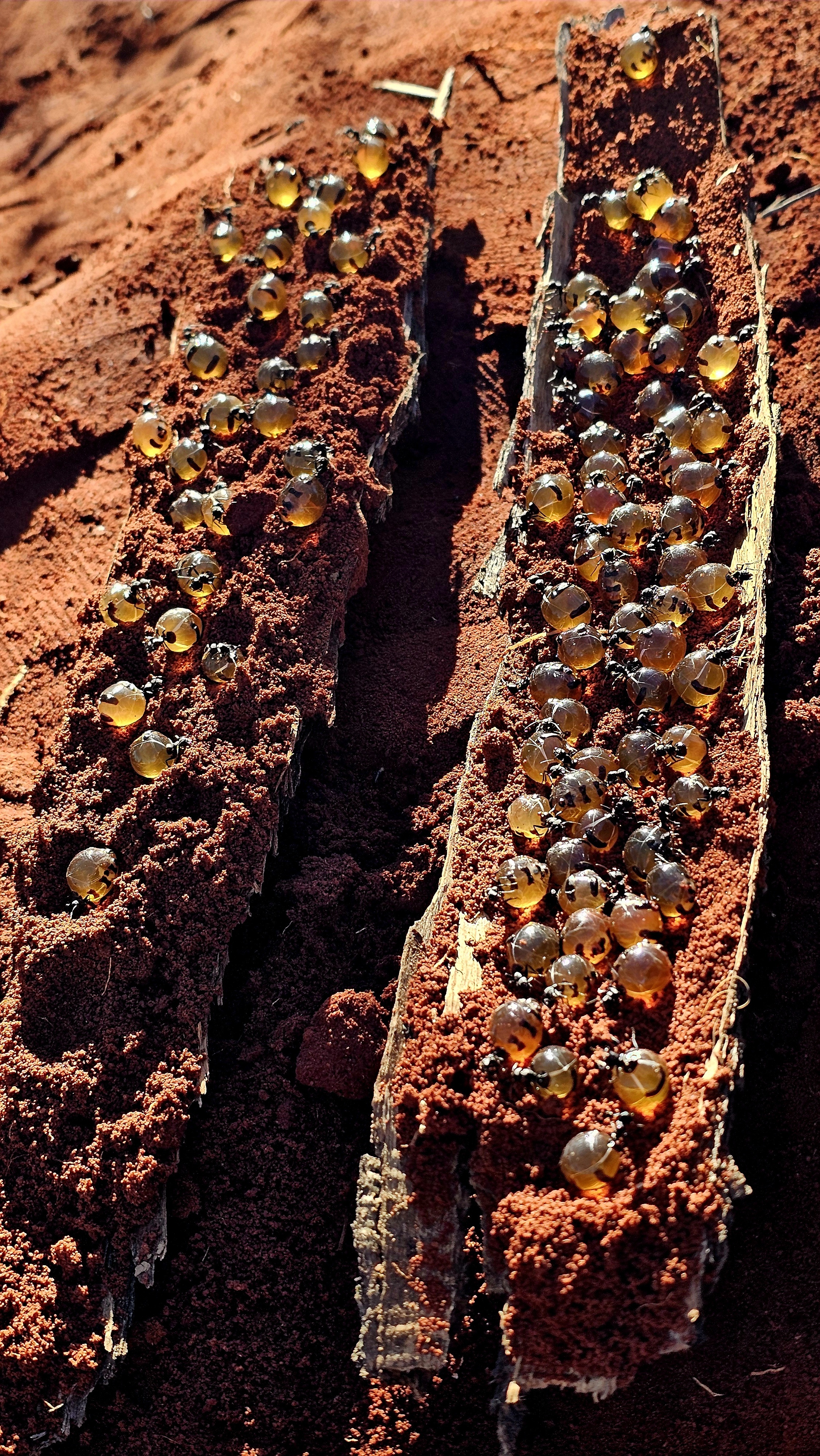
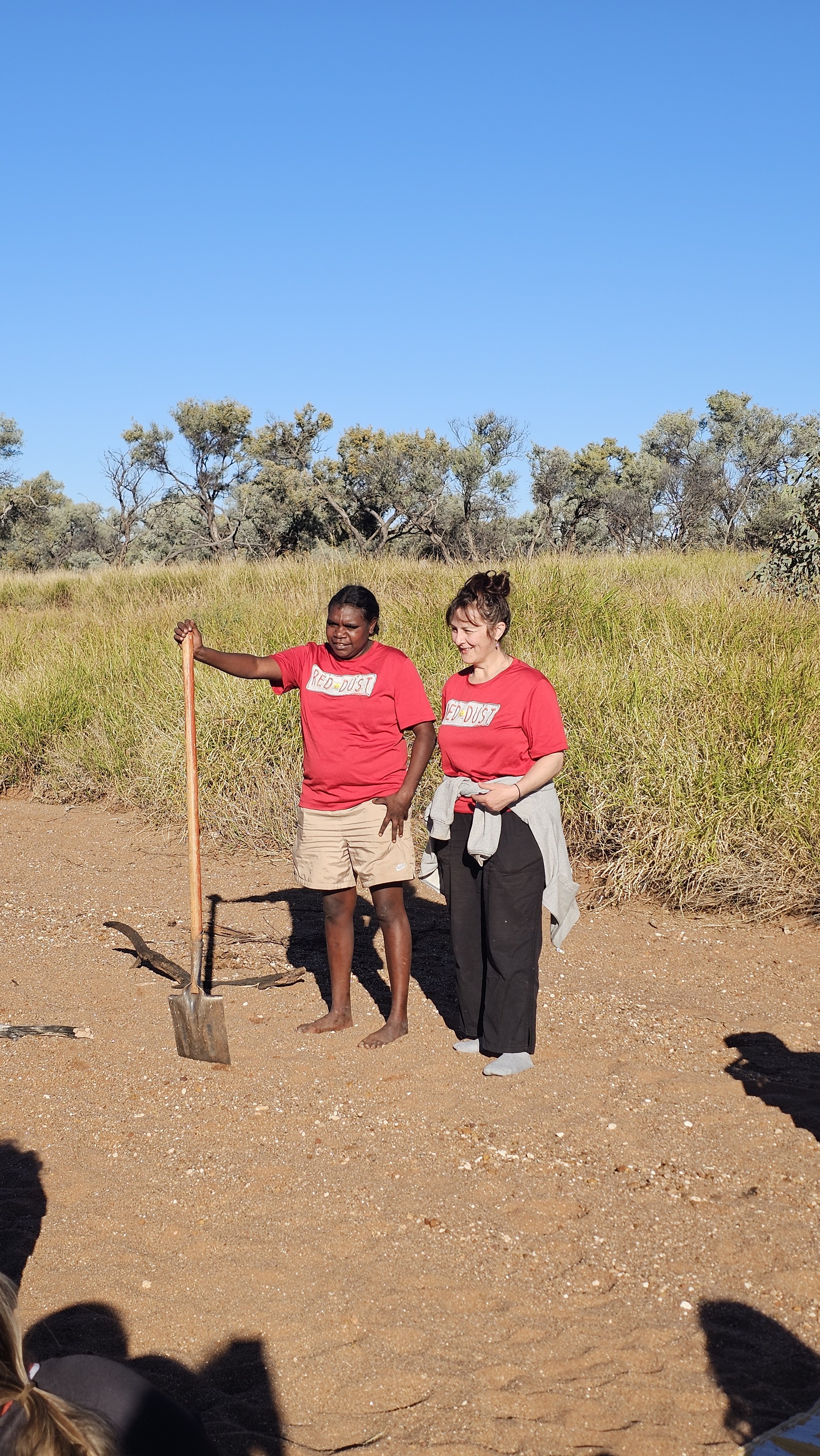
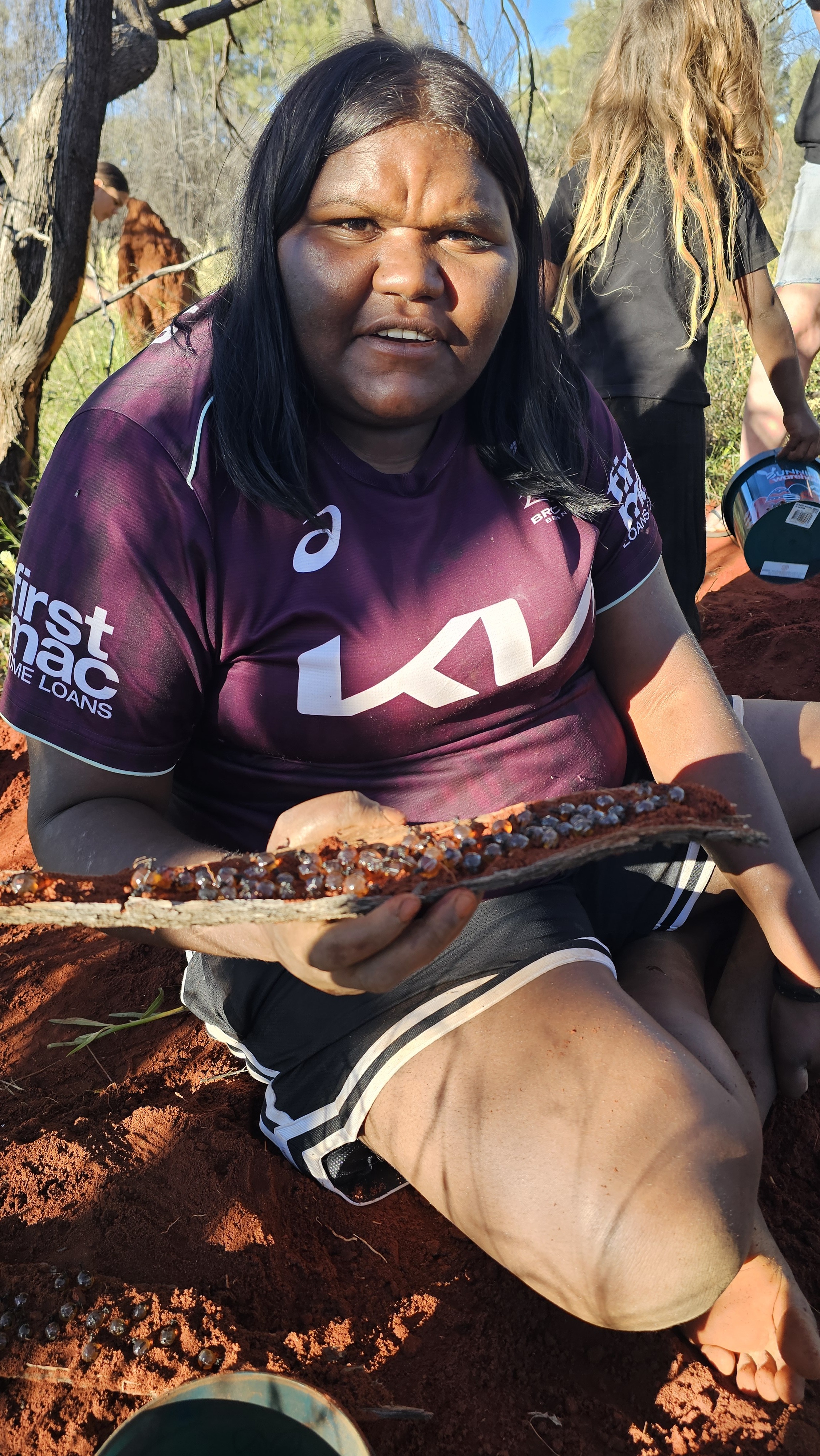
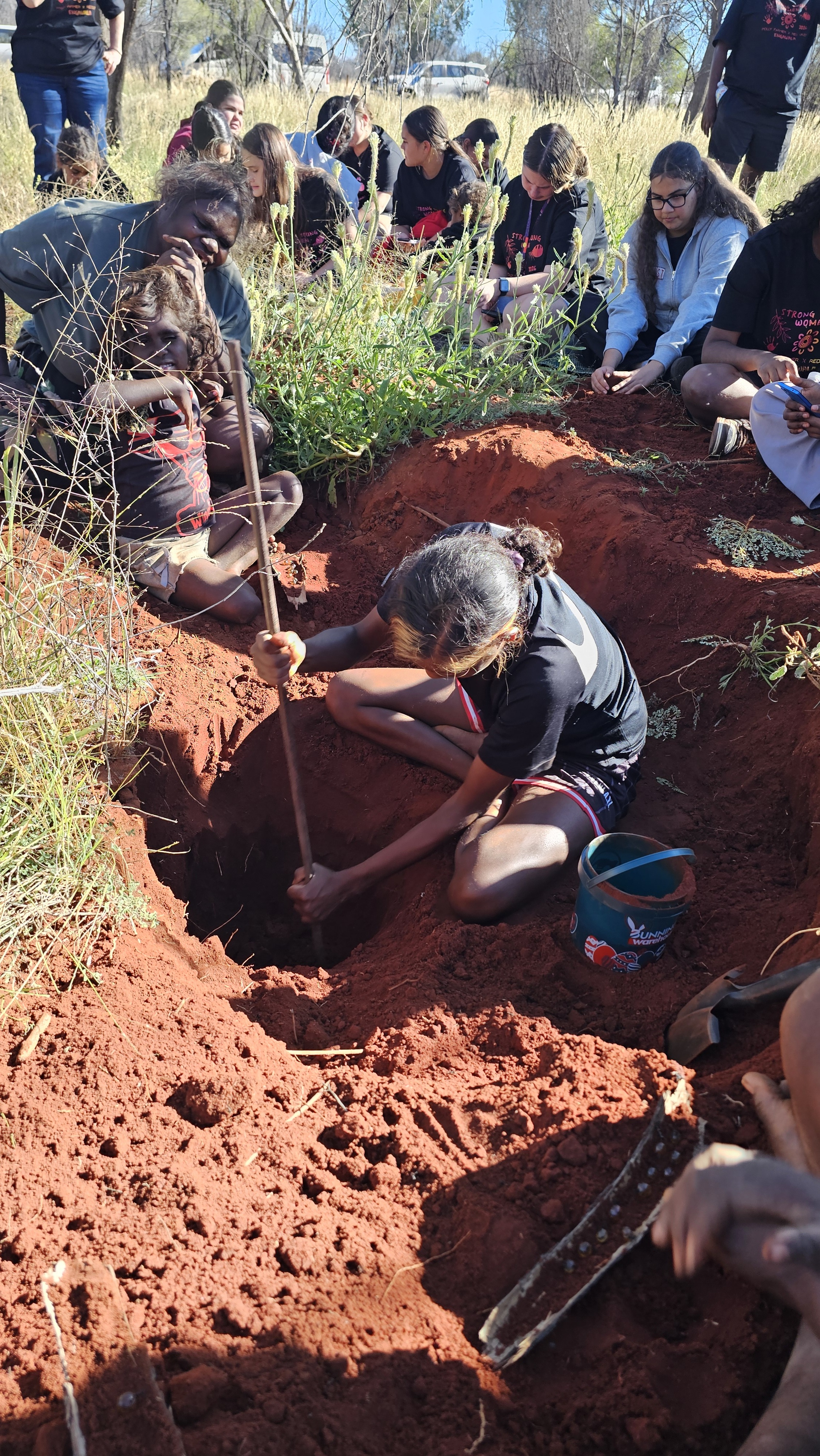
Red Dust Program Facilitator, Emma, took the group onto Anmatjere country (Engawala), where she taught the participants how to dig and identify honey ants. Honey ants live in deep underground nests in arid, semi-arid, and hot desert regions.
The ants are stuffed with nectar and sugary substances by other worker ants, causing their abdomens to inflate with honey and take on a translucent, amber appearance. They are a sweet, delicate, and just as the name suggests, honey-tasting.
Bringing together different generations of women and girls to share and practice culture by learning together was a success in its mission, to get young girls back out on country so they can connect with the land, themselves and their communities.
Having programs like this available to young women helps keep them strong and healthy in their identity and culture, while empowering them to become leaders among their families and peers, and we're privileged to help them in this space.
The Strong Young Women's Program was delivered in partnership with the Polly Farmer Foundation.
Want to know more about Red Dust?
Click the Learn button below and share our work with your own communities!